
Seeing more hair in the shower, on your pillow or caught in your brush can feel alarming, particularly when your ponytail, parting or hairline also seems less full. Learning how to manage hair shedding starts with one key distinction: some daily shedding is normal, while persistent or increased shedding may need a more targeted response.
Hair does not grow continuously. Each follicle moves through a growth phase, a resting phase and a shedding phase. Most people shed around 50 to 100 hairs a day, although the number can look much higher on wash days or if you have longer hair. The concern is not usually one loose strand. It is a noticeable change in the amount you are shedding, the duration of the shedding, or visible loss of density.
How to manage hair shedding without guessing
The most effective approach is to identify the pattern before spending money on products that do not address the cause. Sudden shedding across the whole scalp is different from gradual thinning at the crown, widening through the parting or recession around the temples. Each pattern can point towards a different treatment route.
Diffuse shedding often follows a disruption to the hair cycle. A high fever, surgery, rapid weight loss, emotional stress, a restrictive diet, childbirth or a new medication can move more follicles into the resting phase at once. This is often called telogen effluvium. Shedding may begin two to three months after the trigger, which can make the connection easy to miss.
Pattern hair loss usually develops more gradually. In men, this commonly affects the hairline and crown. In women, it may present as a wider central parting and reduced volume through the top of the scalp. Genetics and sensitivity to dihydrotestosterone, or DHT, frequently play a role. Shedding can occur alongside this process, but the priority is protecting follicles from ongoing miniaturisation.
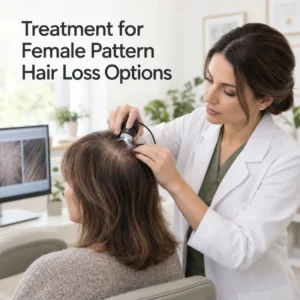
A good first step is to take clear photographs of your hairline, parting and crown in the same lighting each month. This gives you a more reliable record than checking the mirror every day. If the change is continuing, a professional assessment can review your medical history, current medication, scalp condition and pattern of loss before recommending treatment.
Look after the scalp and the hair you have
Healthy hair growth begins with the scalp, but scalp care alone cannot reverse every form of thinning. Use it as a foundation, not as a substitute for medical treatment where that is needed.
Wash regularly enough to keep the scalp free from excess oil, product build-up and flaking. The right frequency depends on your hair type and scalp condition. For some people, daily washing with a gentle, medically designed shampoo is appropriate. For others, two to four washes a week is enough. Skipping washes to ‘save’ shedding does not stop follicles releasing hairs that have already reached the end of their cycle.
Be gentle when hair is wet, as it is more prone to breakage. Use a wide-tooth comb, avoid aggressive towel drying and limit tight styles that pull on the hairline. Repeated tension from tight braids, extensions, buns or slicked-back styles can cause traction hair loss. Early changes can improve when the pulling stops, but long-term tension can permanently damage follicles.
Heat styling, bleaching and chemical processing can make hair look thinner by causing breakage. That is different from shedding at the root, yet it still affects visible density. Reducing high heat, spacing out colour services and using conditioning products suited to your hair type can help preserve the strands that remain.
Check the common triggers for increased shedding
It is worth considering what changed in the months before you noticed the issue. Do not assume stress is the only explanation. Hair shedding can be associated with several health and lifestyle factors, including:
- illness, fever, surgery or recovery from infection;
- rapid weight loss, low calorie eating or low protein intake;
- iron deficiency, thyroid concerns and other nutritional or hormonal changes;
- starting, stopping or changing certain medicines;
- inflammatory scalp conditions such as dandruff, psoriasis or dermatitis.
A balanced diet supports normal hair function, but supplements are not automatically the answer. Taking high-dose vitamins or minerals without evidence of deficiency can be wasteful and, in some cases, unhelpful. If your diet has been restricted, you feel unusually tired, have heavy periods, or have other symptoms alongside shedding, speak to your GP about appropriate blood tests and medical advice.
Choose treatments based on the cause
When hair shedding is temporary and linked to a clear trigger, the focus is usually on correcting that trigger, supporting scalp health and allowing time for the growth cycle to normalise. Regrowth is slow. You may see reduced shedding first, while meaningful improvement in density can take several months.
When there is androgenetic hair loss, treatment needs to do more than reduce breakage. Evidence-based options may include topical minoxidil, prescription therapies and DHT inhibitors, depending on your sex, medical history, risk factors and treatment goals. These treatments are not suitable for everyone, which is why individual guidance matters.
Topical treatments require consistency. Stopping and starting repeatedly makes it difficult to judge results and may allow further thinning to continue. Some people experience an initial increase in shedding after starting a growth-stimulating treatment. This can be unsettling, but it may reflect older resting hairs being released as follicles shift into a new growth cycle. A clinician can help distinguish an expected adjustment from a reaction that needs attention.
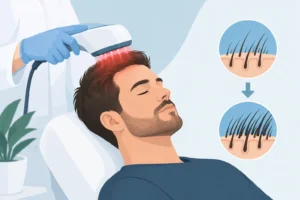
Low-level laser therapy may also be considered as part of a non-surgical programme for appropriate candidates. It is not an overnight fix, and it works best when used consistently within a wider plan. For more established loss, particularly where follicles have been inactive for years, FUE hair transplantation can restore density in carefully selected areas. A transplant should be planned around future hair loss, not treated as a quick cosmetic purchase.
Hair Formulas combine remote assessment with treatment pathways that can include specialist topical products, prescription options, laser regrowth treatment and FUE transplantation where appropriate. The objective is straightforward: recommend the level of intervention that matches what your follicles and scalp actually need.
When to request professional advice promptly
Do not wait months hoping a dramatic change will settle if you are losing hair in patches, have scalp pain, burning, marked itching, redness, scaling or scarring. These symptoms can indicate a scalp condition that needs timely medical attention. The same applies if shedding is severe, persists beyond several months, or comes with fatigue, changes in weight, irregular periods or other new health symptoms.
It is also sensible to seek advice before using prescription hair-loss treatment if you are pregnant, trying to conceive, breastfeeding, taking regular medication or managing an ongoing health condition. Treatments that are effective for one person may be unsuitable for another.
Give your treatment plan enough time to work
Hair growth is measured in months, not days. Constantly changing shampoos, serums and supplements can leave you spending more while learning less about what is helping. Take baseline photographs, use prescribed or recommended treatment exactly as directed, and review progress at regular intervals.
A realistic plan can include scalp care, nutrition where needed and clinically appropriate treatment for the underlying cause. It may also include accepting that a cosmetic product can improve hair feel and appearance without treating follicle-level thinning. That distinction protects both your budget and your expectations.
If shedding has changed the way you feel about your hair, do not let uncertainty keep you in a cycle of trial and error. A clear assessment can turn a worrying amount of hair in the brush into an informed next step towards fuller, healthier-looking hair.